Garage Floor Prep in Sarasota, FL: Grinding vs. Acid Etching (And Why It Matters)
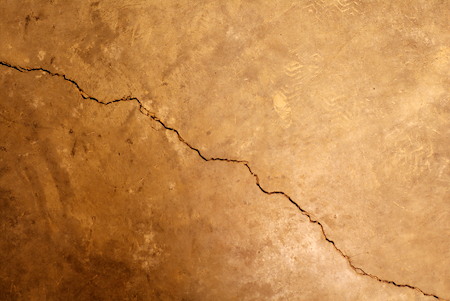
Your garage takes a beating in Sarasota, FL. Summer heat, sudden rain, beach sand, and hot tires all work against a coating. That is why smart garage floor prep for epoxy sets the tone for how long your finish lasts. The difference between mechanical diamond grinding and acid etching is not small. It is the gap between a floor that bonds tight for years and one that peels or stains too soon. If your slab has hairline fractures or wider movement joints, starting with professional concrete crack repair creates a stable base before any coating goes down.
Why Prep Matters In Sarasota’s Climate
Our coastal weather is tough on concrete. Garages heat up during the day, then breathe in moist evening air. That cycle drives moisture through the slab and stresses weak coatings. Add in grit from Lido Beach, salt mist near the bay, and the occasional bike drop or tool slip, and you can see why surface prep matters so much in Palmer Ranch, Gulf Gate, and across the city.
Quality prep does three things: it evens the surface, opens the pores for a strong bond, and removes anything that blocks adhesion. Skipping or rushing any of these steps can lead to bubbles, hot‑tire pickup, or peeling right where you park.
Mechanical Diamond Grinding: What It Does
Diamond grinding uses an industrial grinder to profile the concrete. The tool removes weak top layers, levels minor highs, and creates a consistent texture for epoxy to lock into. The result is a clean, even surface that helps primers and base coats wet out the slab and hold on tight.
- Creates a uniform, repeatable surface profile for strong chemical and mechanical bond
- Removes old sealers, paint, laitance, and contaminants that block adhesion
- Controls dust with vacuum shrouds for a cleaner job site and better coating results
Mechanical grinding creates a consistent profile that epoxy can grab, which is why pros rely on it for Sarasota garages that face heat, sand, and daily parking.
Acid Etching: Why It Falls Short For Epoxy
Acid etching works by reacting with the surface paste of the concrete. The problem is control. Concrete density varies from spot to spot, so the profile ends up patchy. Acid can leave residue and salts that stay inside the pores. If they are not fully neutralized and rinsed away, they can prevent a strong bond.
- Leads to uneven texture and weak spots that show up as early wear
- Adds water to the slab, which extends dry time in humid months
- Risks staining nearby metal and harming landscaping if mishandled
Acid etching can leave salts that block adhesion. Even when rinsed, those residues and added moisture raise the risk of blisters or peeling once the summer storms roll in.
Moisture Mitigation In Gulf Coast Garages
Moisture is the silent deal‑breaker. Sarasota’s humidity and frequent rain can push vapor up through the slab. When that pressure meets a coating, it can create bubbles or lift the finish. A professional team will test the slab and, if needed, include a moisture mitigation primer designed to handle vapor drive before the main system goes on.
If you want a simple guide to system layers, this helpful overview of base coats, top coats, and additives explains how each layer works together to resist heat, traffic, and daily spills.
Crack And Joint Repair Before Coatings
Cracks telegraph through coatings if they are not repaired the right way. Hairline fractures, settlement cracks, and open control joints each move a little differently as temperatures change. A lasting finish starts by cleaning, stabilizing, and filling those gaps to support the coating across seasons. Around Sarasota neighborhoods like Southside Village or Fruitville, this step reduces callbacks and keeps the floor looking seamless.
Prep is not just about looks. It is about creating a monolithic surface so your coating performs as a system. Treating cracks first protects the bond and stops damage from spreading.
Local tip: With our Gulf humidity, adding water from acid etching can slow dry times and trap residue. Mechanical grinding avoids that risk and speeds the path to a clean, ready‑to‑coat surface. It also prevents fumes and overspray that could stain garage hardware or nearby plants.
Choosing The Right Profile For Epoxy And Flake Systems
Different finishes need different surface textures. A decorative flake system wants a profile that helps the chips key into the base coat. A solid‑color build needs enough tooth for primers and wear coats without leaving visible grind marks under gloss. Mechanical grinding can be tuned to both, which is why it pairs so well with durable epoxy garage floors across Sarasota.
Think about how you use the space. If your family tracks in sand from Siesta Key, you may prefer a flake blend with soft texture that hides scuffs. If you run a workbench and roll tool chests, a thicker base coat with a satin clear may be a better fit.
How Great Prep Extends Floor Life
Well‑executed grinding, thorough cleaning, and targeted moisture mitigation reduce the chance of hot‑tire pickup and make routine cleaning easier. That means less haze from rubber, fewer marks near the door threshold, and better color hold when sunlight hits the edge of the slab. In short, good prep protects your investment and your peace of mind.
When prep is done right, coatings go down smoother, level out better, and cure into a tougher shell. That is why many Sarasota homeowners start their research with garage floor prep for epoxy in Sarasota, FL before choosing colors or flake blends.
What Homeowners Can Expect On Prep Day
Every project and slab is different, but a professional team follows a predictable rhythm so your garage is ready for the system you choose. Here is a simple picture of what that looks like for a typical two‑car space:
- Walkthrough and testing to confirm slab condition and plan the profile
- Targeted repairs to stabilize cracks and honor joints as needed
- Mechanical diamond grinding to open pores and even out highs
- Detailed vacuuming and wipe‑down to remove fine dust
- Moisture mitigation primer when conditions call for it
- System build coats applied to spec with proper cure windows
Each step builds on the one before it. Skipping or rushing prep often shows up later as chips, bubbles, or color changes near the garage door where sun and heat are strongest.
Grinding vs. Etching: A Quick Sarasota Reality Check
Still weighing your options? Use this quick lens tailored to our coastal climate:
- Want a durable bond that resists vapor and heat? Choose grinding with moisture‑aware primers.
- Worried about residue, uneven texture, and long dry times? Etching increases those risks.
- Need a clean, flat look under gloss or decorative flakes? Grinding delivers the consistency epoxy needs.
When in doubt, ask for a grinding plan, moisture testing, and a repair approach for your slab. Together, those three choices prevent most coating failures we see in hot, humid garages.
Bring It All Together With A Pro Install
Great prep, the right chemistry, and a steady hand during install make the difference. If you want a floor that can handle beach weekends, school drop‑offs, and the daily in‑and‑out without fuss, partner with a local team that builds for Sarasota’s climate. For service details on stabilizing the slab first, see how our team handles concrete crack repair as part of a complete system.
Ready For A Durable Garage Floor In Sarasota, FL?
Choose the path that lasts. Mechanical diamond grinding, proper crack repair, and moisture mitigation give your epoxy the best chance to thrive in Florida weather. If you are ready to plan your project with Mr. Epoxy and Paint LLC, call us at 941-448-1405 or explore the steps we take on every slab right here in Sarasota by visiting our concrete crack repair process. Then pick the finish you love, and enjoy a surface that looks great and stands up to daily life.
Seal It Strong! Get Your Epoxy Flooring In Bradenton Today!